Listening to Silence in the Great Canyon Country
In the arid expanse of red sandstone and juniper, distance becomes a medicine for an overstimulated mind.
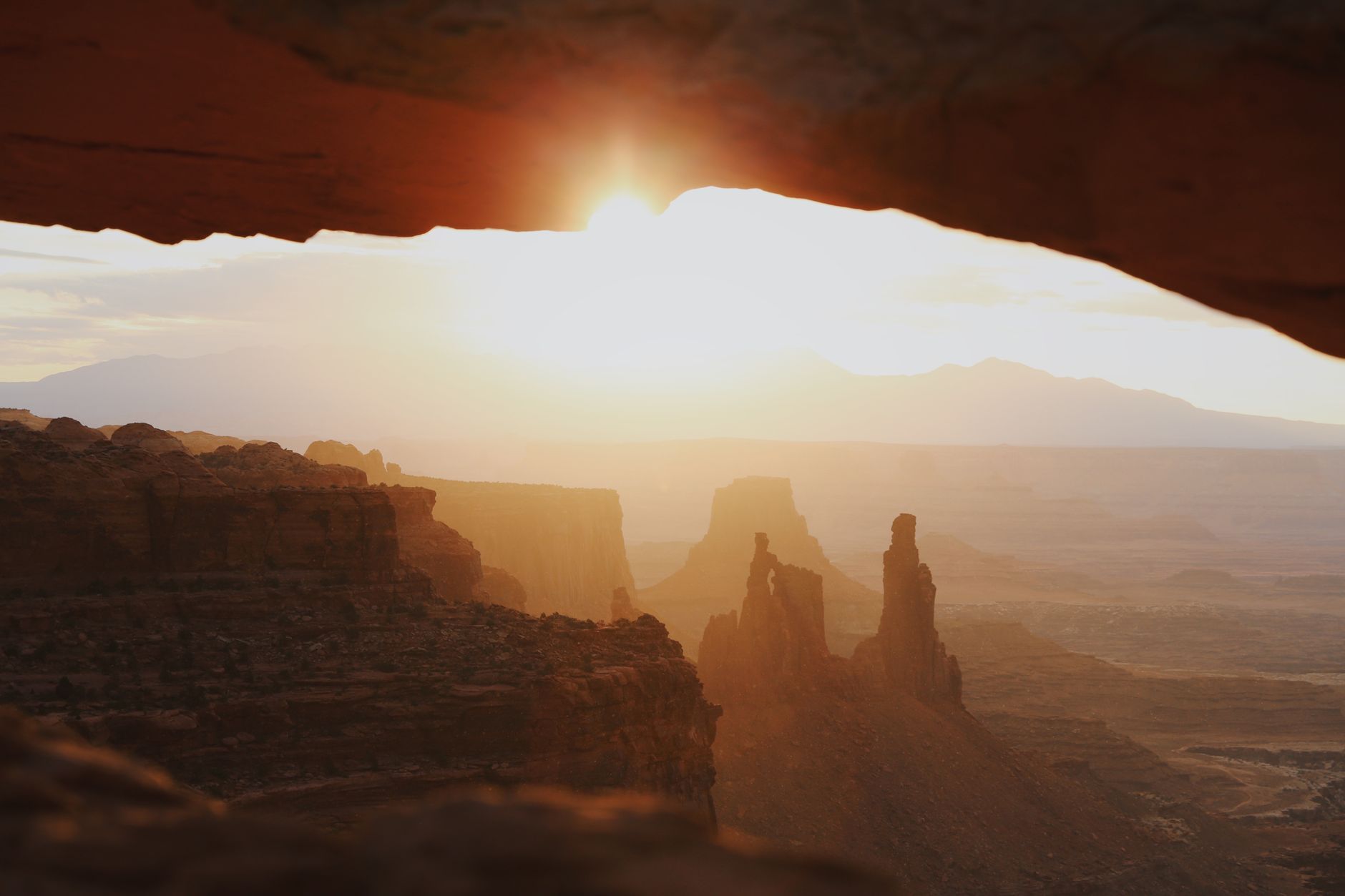
In urban life, silence is almost always an artificial condition—the hum of an air handler, the muffled drone of distant expressway traffic. In the deep canyons of southern Utah and northern Arizona, silence has weight. It is an expansive presence that fills the space between sheer sandstone amphitheaters.
The Geological Scale of Time
Standing at the rim of an unpaved plateau as late afternoon sunlight turns iron-rich strata into burning copper, you are confronted by planetary scale. Each horizontal ribbon of rock represents millions of years of ancient inland seas, windblown dunes, and fossilized riverbeds.
“When you stand before two hundred million years of exposed earth, your modern urgencies immediately shrink into their appropriate perspective.”
We spent five days traversing dirt tracks far beyond cellular reception. At night, the lack of light pollution reveals the Milky Way in startling, granular intensity, stretching from horizon to horizon like a dusting of diamond flour.
Responsible Desert Exploration
- Protect biological soil crusts: Stay strictly on marked slickrock and established paths; cryptobiotic soil takes decades to regenerate.
- Conserve water religiously: Understand that every drop of moisture in desert basins is vital to resident bighorn sheep, raven, and juniper.
- Support indigenous stewardship: Learn the history of ancestral Puebloan and Navajo peoples whose relationship with these canyons precedes modern tourism by millennia.
Desert travel teaches patience. The heat of midday demands stillness, while early dawn and twilight reward the observant with extraordinary light and restorative peace.

Written by Sarah Thorne
Wilderness & Eco-Tourism Fellow