The Art of Quiet Navigation in Western Scandinavia
Why stepping away from cruise liners and renting a timber boathouse allows the wild Scandinavian coast to reveal its true character.
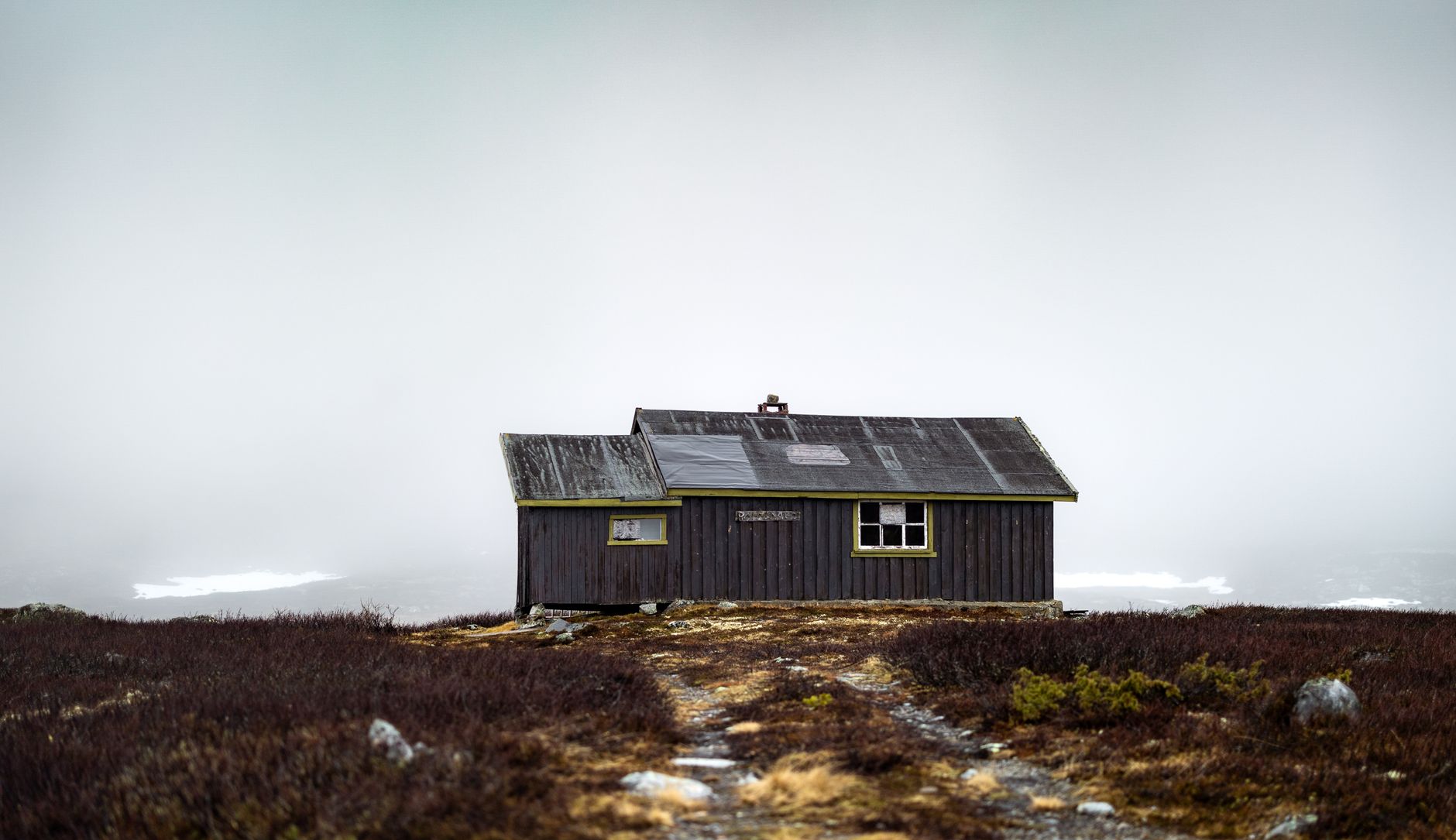
When the morning fog rolls off the granite faces of the fjord, sound behaves differently. The cry of an arctic tern carries for nearly a nautical mile across mirror-flat saltwater. In this landscape, modern noise feels like an intrusion. The instinct is to lower your voice and listen.
The Rhythm of Island Life
For centuries, the coastal communities of western Scandinavia lived by the rhythms of seasonal cod migration and unpredictable Atlantic gales. Today, high-speed road links and tunnels bypass many of the tiny outer islets. Yet taking the local public ferry—the ones carrying milk crates, mail, and local school children—remains the most evocative way to travel.
“Slow travel here is not merely an aesthetic choice; it is a recognition of the fragility of sub-Arctic ecosystems.”
We stayed three nights on a small archipelago with just forty permanent residents. In the evening, the sun grazed the horizon without dipping entirely, casting a golden-amber veil over wooden drying racks that have stood for two centuries.
Practical Field Advice for Slow Visitors
- Avoid peak cruise months: Visit in late May or September when light is magical and harbors are peaceful.
- Support family-owned rorbuer: Select preserved timber cabins run by families rather than international hotel chains.
- Respect the Right to Roam (Allemannsretten): Tread lightly, carry every trace of trash out, and respect nesting seabird sanctuaries.
Traveling with an open itinerary allows you to wait out storms in community libraries, learning more about the sea than any structured excursion could ever convey.

Written by Henrik Lind
Senior Northern Dispatches Editor